
Mining Bucket Lifecycle Management Software
Know When the Bucket Will Need to Be Removed and Rebuilt
Critical bucket components such as the lip, floor, sidewalls and structural areas wear at different rates. Once these areas reach their maintenance limits, the bucket usually needs to be removed from the machine and taken to a workshop for major repairs or rebuild.
TrackTreads uses regular inspections, thickness measurements, photographs and condition history to monitor these critical areas and forecast when the bucket will need to be removed.
This gives maintenance teams time to prepare a replacement bucket, plan the required rebuild work and schedule the change-out before the bucket condition affects production.
The same inspection can also record Ground Engaging Tools (GET) condition and replacements, cracks, wear plates, liners and other maintenance requirements, providing a complete view of the bucket’s condition and operating history.
The Challenge
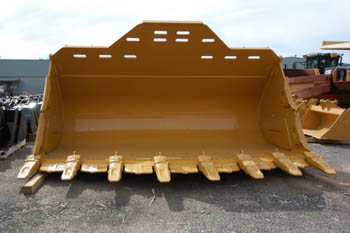
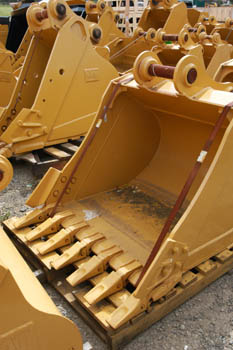
A bucket is not normally removed from service because one tooth needs replacing. Teeth and other GET can usually be changed while the bucket remains on the machine.
The bucket needs to be removed when critical areas such as the lip, floor, sidewalls or main structure have worn or cracked to the point that major workshop repairs are required.
The challenge is knowing when that point will be reached.
These critical areas wear at different rates. Most of the bucket may remain in good condition while one area becomes the reason it must be removed and rebuilt.
Without regular measurements and a reliable condition history, the rebuild requirement may not become clear until the damage is already advanced.
This can result in:
- An unplanned bucket change
- Insufficient time to prepare a replacement bucket
- Larger and more expensive repairs
- Wear or cracking extending into the main bucket structure
- A bucket being removed too early with usable life remaining
- Production delays while a replacement bucket or rebuild capacity is arranged
Regular inspections allow the mine to identify which area is likely to determine the bucket’s removal date and plan the change-out and rebuild before it affects production.
Manage the Complete Life of Every Bucket
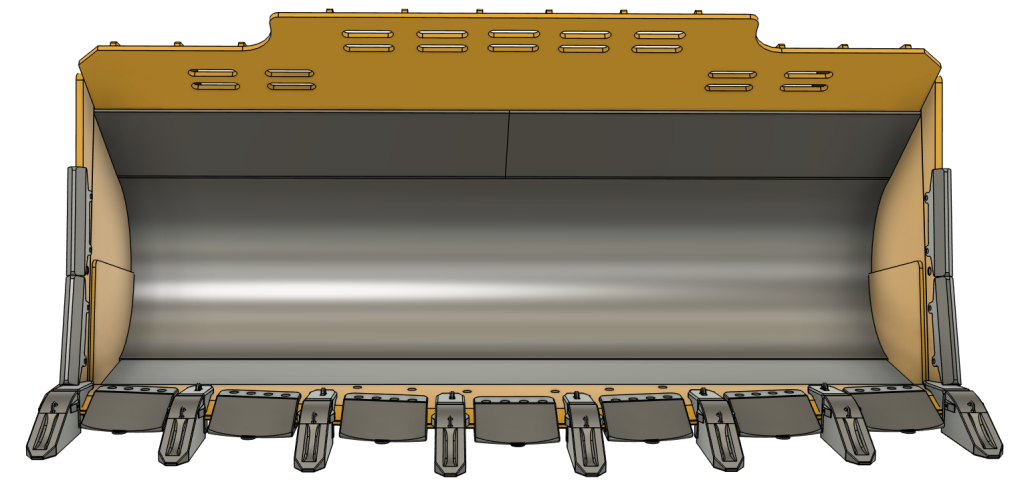
Every bucket has its own operating and maintenance history. TrackTreads retains that history as the bucket moves between machines, inventory, workshops and rebuild facilities.
Inspections, installations, operating usage, GET changes, repairs, rebuilds, costs and movements remain attached to the bucket throughout its life.
Instead of treating each inspection or rebuild as a separate event, TrackTreads builds one continuous lifecycle history for the bucket.
Questions the Maintenance Team Needs Answered
For every bucket in the fleet:
- What is the bucket’s current condition?
- Which critical area will determine when it must be removed?
- How much operating life remains?
- Is the bucket forecast to reach the next planned shutdown?
- When should the change-out be scheduled?
- Is a suitable replacement bucket ready?
- What work will be required during the rebuild?
- Is the bucket achieving its expected life and cost?
TrackTreads brings the inspection, maintenance and operating history together so these decisions can be based on the bucket’s actual condition rather than estimates or assumptions.
Mining Bucket Inspection and Rebuild Forecasting
Standardised Mobile inspections
Reliable bucket forecasts depend on inspections being completed consistently.
TrackTreads provides a standard inspection process for every bucket type. The mobile application guides the inspector through each critical component and measurement location, ensuring the same areas are checked during every inspection.
Using an Apple or Android mobile device, the inspector can record:
- Thickness and wear measurements
- Cracks and structural damage
- Condition of lips, floors, sidewalls, liners and wear plates
- GET condition
- Photographs
- Comments and observations
- Recommended maintenance actions
- Machine hours, tonnes or bank cubic metres (BCM)
Each measurement, photograph and comment is recorded against its correct location on the bucket. Previous measurements and photographs can also be reviewed, helping the inspector identify changes since the last inspection.
The application operates offline, allowing inspections to be completed in workshops, underground operations and remote mining areas without mobile or Wi-Fi coverage. Once a connection becomes available, the inspection information is synchronised with the central database.
This standard process improves inspection consistency and builds the reliable condition history needed to forecast bucket removal and rebuild timing.
Monitor Critical Components
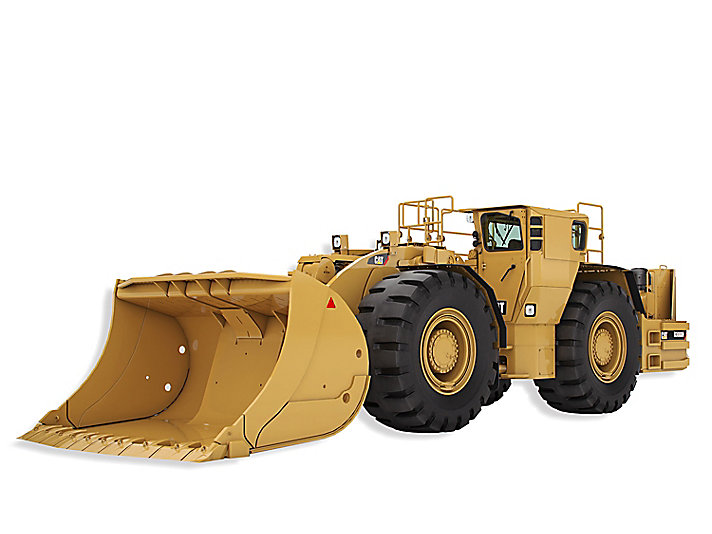
TrackTreads monitors the areas most likely to determine when the bucket must be removed, including:
- Lip
- Floor
- Sidewalls
- Heel and corners
- Liners and wear plates
- Adapter mounting areas
- Main structural areas
- Attachment & mounting points
Measure Wear and Remaining Thickness
Ultrasonic and other measurements show how much material remains in the lip, floor, sidewalls and other critical wear areas.
Successive inspections show how quickly each area is deteriorating and identify the component most likely to reach its maintenance limit first.
Record Cracks, Damage and Required Maintenance
Inspectors can record cracks, impact damage, missing wear protection and other defects with their location, severity, photographs and recommended action.
Maintenance requirements can be identified for immediate attention, the next planned shutdown or the future bucket rebuild.
Forecast Bucket Removal and Rebuild Timing
TrackTreads uses the bucket’s measurements, wear history and operating usage to forecast when critical areas are likely to reach their maintenance limits.
Forecasts can be based on operating hours, tonnes moved or bank cubic metres, depending on the information available.
This helps determine whether the bucket is likely to reach the next planned shutdown and when it should be removed for rebuild.
Plan the Bucket Change-Out
Once the expected removal date is known, the maintenance team has time to:
- Prepare a replacement bucket
- Confirm that it is suitable for the machine
- Plan the change-out during a scheduled shutdown
- Define the expected rebuild scope
- Arrange workshop capacity, labour and materials
- Avoid unnecessary production delays
This turns the bucket inspection from a condition report into a practical plan for its removal, replacement and rebuild.
Fleet Dashboards and Performance Comparison
TrackTreads brings the latest condition and operating information for every bucket together in one fleet dashboard.
Maintenance and reliability teams can quickly see:
- Current bucket condition
- Machine and installation campaign
- Hours completed during the current campaign
- Latest and next inspection dates
- Limiting critical component
- Estimated remaining life
- Forecast rebuild date
- Buckets requiring attention
Forecast Based on the Limiting Critical Component
A bucket may have several areas in good condition but still require removal because one critical component is approaching its maintenance limit.
TrackTreads compares the remaining life of the lip, floor, sidewalls and other monitored areas. The component with the shortest remaining life becomes the limiting component used to forecast when the bucket will need to be removed.
The bucket’s expected utilisation is then used to calculate the forecast rebuild date.
Compare Performance Across the Fleet
The dashboard allows maintenance teams to compare buckets and identify:
- Buckets wearing faster than expected
- Critical areas repeatedly determining rebuild timing
- Buckets achieving the best and worst campaign life
- Differences between machines and operating applications
- Buckets approaching their forecast rebuild dates
- Replacement buckets that need to be prepared
Instead of opening individual inspection reports, the maintenance team can see the condition, remaining life and expected rebuild timing of the complete bucket fleet from one screen.
Bucket Location, Installation, Performance and Movement History
Mining buckets are regularly moved between machines, workshops, rebuild facilities and inventory. Without a reliable movement history, it can be difficult to know where a bucket is located, which machine it operated on or how much work it completed during each installation.
TrackTreads maintains a complete history for every bucket throughout its operating life.
Know Where Every Bucket Is Located
The current location and status of each bucket can be recorded as:
- Installed on a machine
- Available in inventory
- Awaiting inspection
- Awaiting repair or rebuild
- Undergoing rebuild
- Ready for installation
- Retired from service
Record Every Installation Campaign
Each time a bucket is installed on a machine, TrackTreads creates a new operating campaign.
The campaign history can include:
- Machine on which the bucket was installed
- Installation and removal dates
- Machine hours at installation and removal
- Hours operated during the campaign
- Tonnes or BCM moved
- Inspections completed
- Maintenance and GET changes
- Reason for removal
- Condition at removal
- Cost per hour, tonne or BCM
Compare Performance Between Campaigns
The Bucket Campaign History dashboard brings every installation together, allowing maintenance and reliability teams to compare how the bucket performed each time it was placed into service.
This helps answer:
- How long did the bucket operate during each campaign?
- On which machines did it achieve its best and worst life?
- Why was it removed?
- Did it achieve its expected campaign life?
- Did the rebuild improve its performance?
- Are particular machines or applications increasing wear?
Instead of recording only the bucket’s current location, TrackTreads retains the complete history of where it has been, how it performed and what happened during every installation campaign.
Bucket Rebuild and Repair History
Every rebuild and major repair becomes part of the bucket’s complete history.
TrackTreads records the work completed, the components repaired or replaced, the quantities used and the associated costs. This provides a clear record of what was done during each rebuild and supports accurate calculation of the bucket’s cost per operating hour, tonne or BCM.
The rebuild and repair history can include:
- Rebuild date and work order number
- Bucket condition before the rebuild
- Planned and completed repair scope
- Components repaired
- Components replaced
- Quantity of each component used
- Material and component costs
- Labour and external repair costs
- GET and wear-protection costs
- Photographs before, during and after the rebuild
- Outstanding work or recommended follow-up actions
- Date returned to service
Combining these costs with the bucket’s operating hours, tonnes or BCM provides the actual cost of each rebuild and installation campaign.
GET Condition and Replacement History
Although the main purpose of bucket inspections is to plan bucket removal and rebuild timing, GET represents a significant ongoing operating cost.
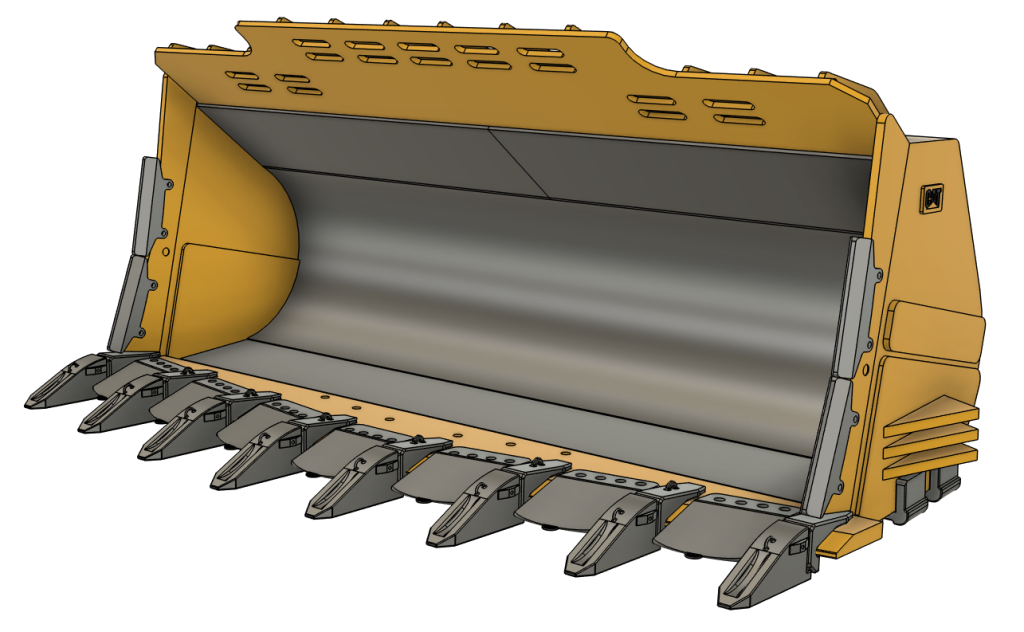
TrackTreads records every GET component installed on the bucket and its exact position. Each time a tooth, adapter, shroud or other GET component is replaced, the change becomes part of the bucket’s permanent history.
For every GET change, TrackTreads can record:
- Component type and description
- Manufacturer and part number
- Position on the bucket
- Installation and removal dates
- Machine hours at installation and removal
- Operating life achieved
- Tonnes or BCM moved
- Reason for replacement
- Condition at removal
- Quantity replaced
- Cost of each component
- Photographs and comments
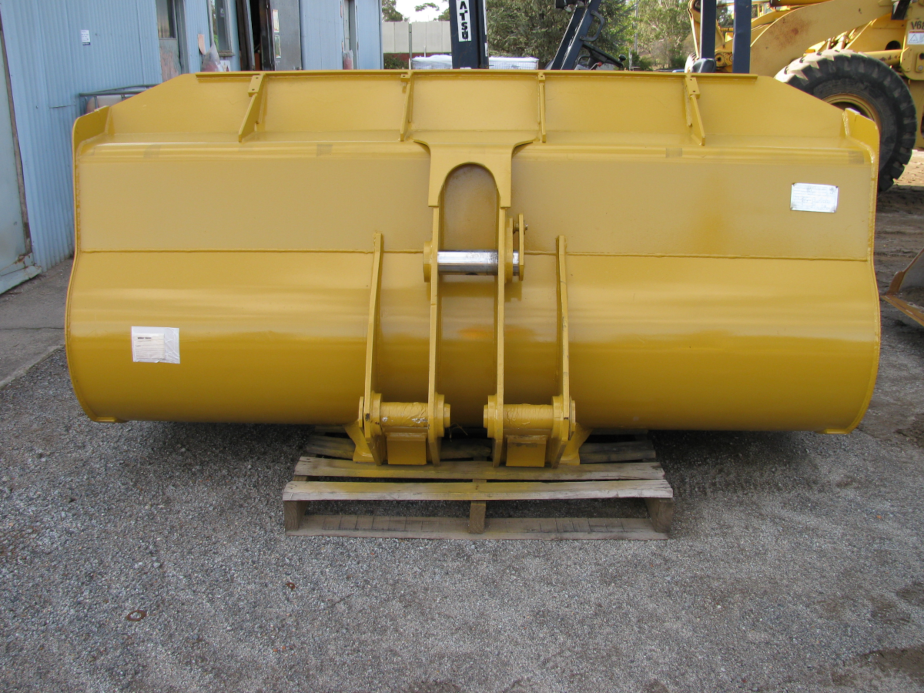
Measure GET Cost
GET costs can be combined with the bucket’s operating usage to calculate:
- Cost per hour, tonne or BCM
- Cost by GET type and bucket position
- Total GET cost for each installation campaign
- Total GET cost over the bucket’s life
Compare GET Performance by Position
Cost per hour, tonne or BCM GET components do not necessarily wear at the same rate across the bucket. Components in the corners, centre and other positions may experience different loading and wear.
By tracking every component against its position, TrackTreads allows mines to compare the performance of different GET products and arrangements under actual operating conditions.
This helps determine:
- Which GET performs best in each position
- Whether a different component is required in high-wear areas
- Which manufacturer or product provides the best life and cost
- Whether the current GET configuration suits the material and application
- Where GET is being replaced too early or failing prematurely
This turns routine GET replacement information into practical evidence for selecting the most suitable GET arrangement for the bucket and its application.
Lifecycle Cost and Performance
TrackTreads combines the bucket’s operating history with its purchase, repair, rebuild and GET costs to measure performance during each installation campaign and over its complete life.
The system can calculate:
- Cost per operating hour
- Cost per tonne or BCM
- Cost of each campaign and rebuild
- GET and repair costs
- Total lifecycle cost
- Actual life compared with budgeted life
This allows mines to compare buckets, rebuild methods and GET arrangements using their actual field life and operating cost.
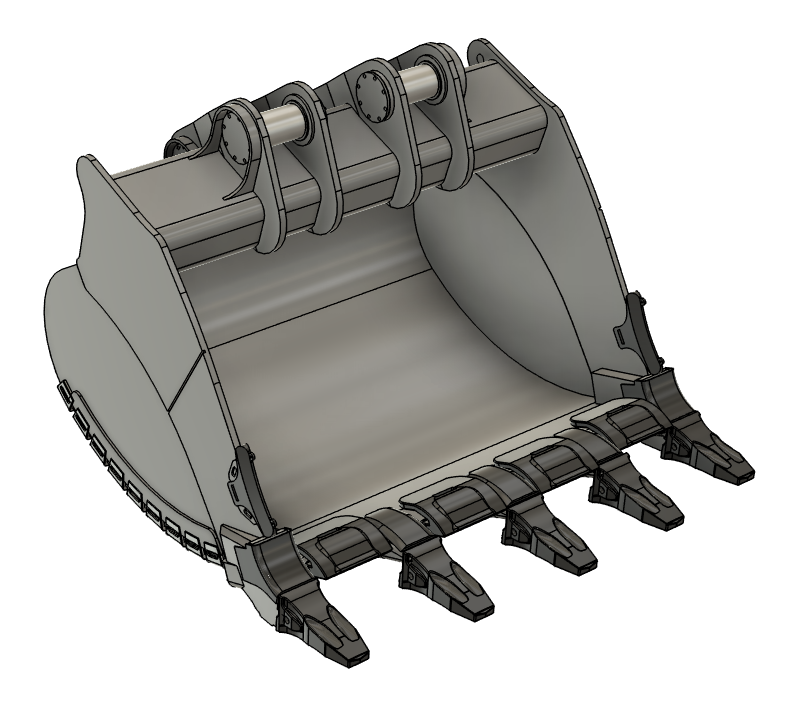
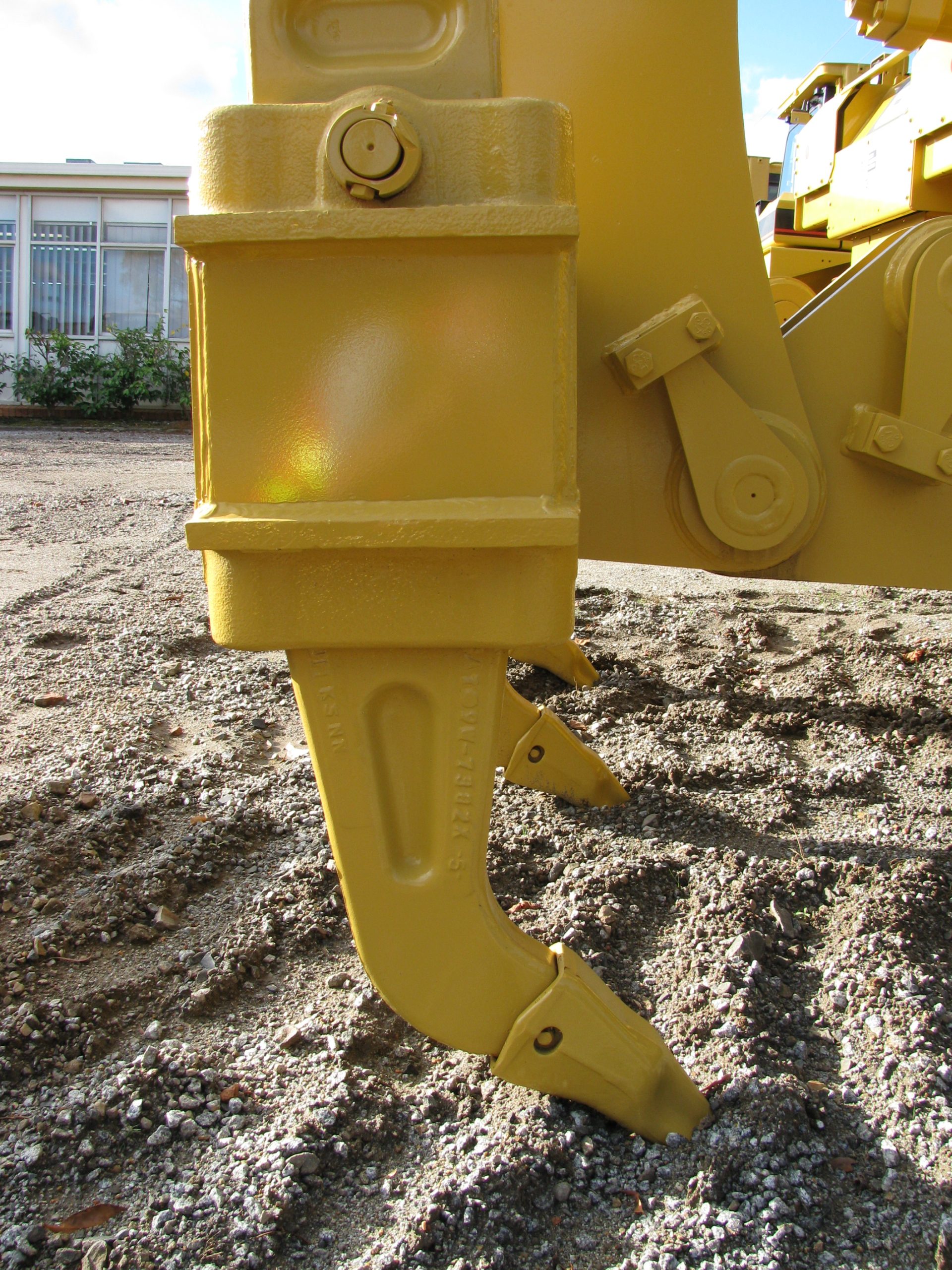
Surface and Underground Applications
TrackTreads manages bucket condition and rebuild timing across both surface and underground mining operations.
Surface Mining Buckets
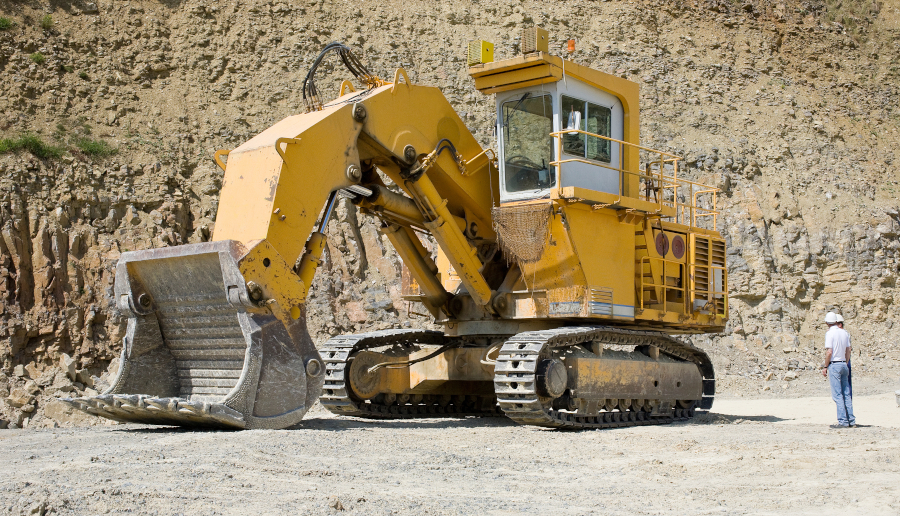
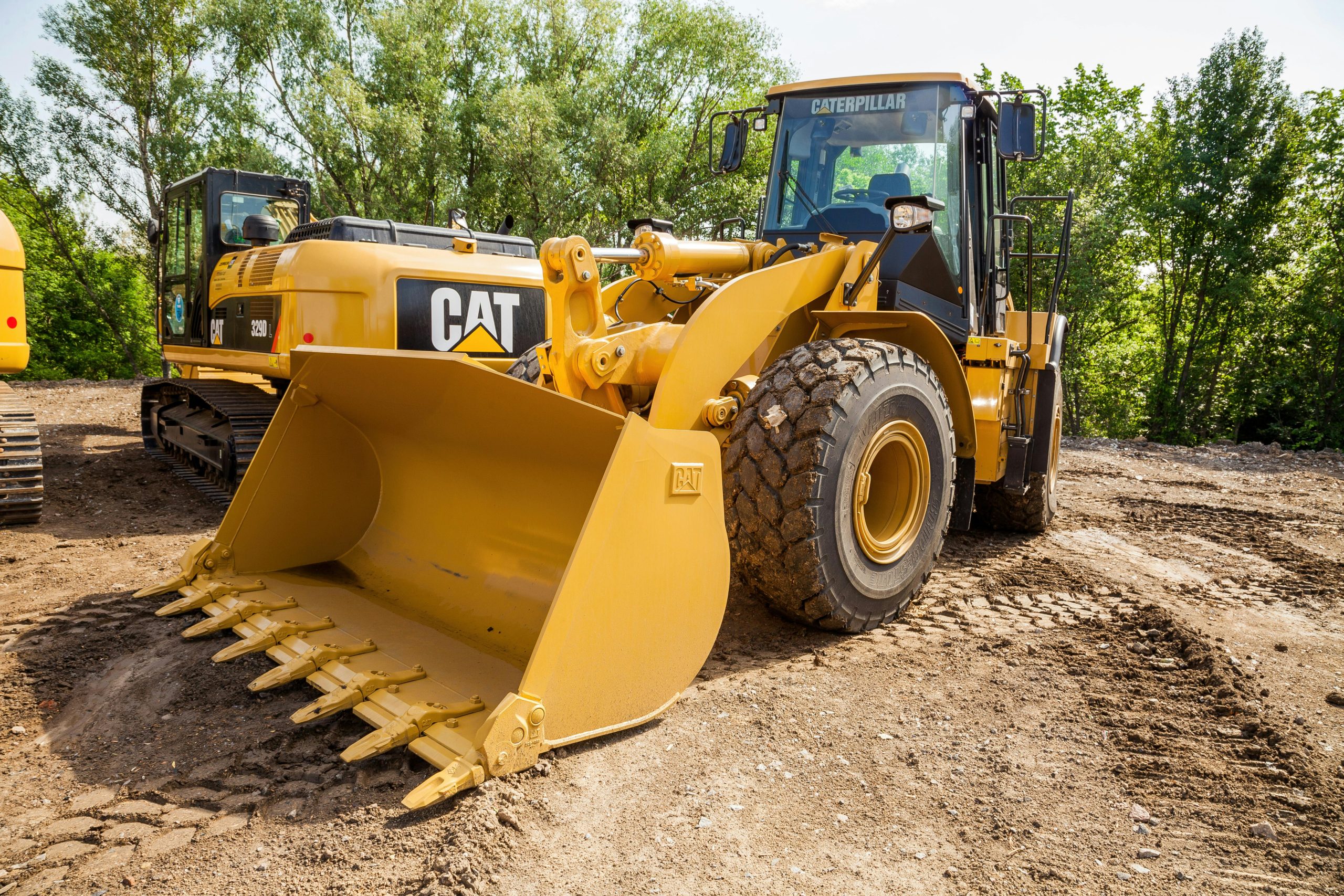
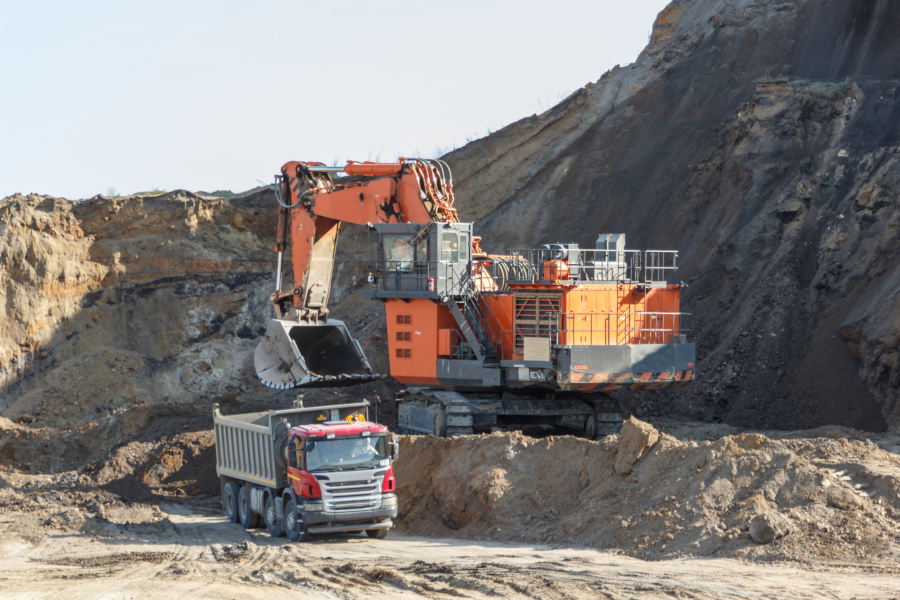
TrackTreads can manage buckets fitted to hydraulic excavators, electric rope shovels and large wheel loaders.
Inspections monitor critical areas such as the lip, floor, sidewalls, wear protection, GET and structural cracking. This allows mines to forecast bucket removal, prepare a replacement bucket and plan the rebuild before production is affected.
Underground Mining Buckets
TrackTreads can also manage buckets fitted to underground loaders and LHD machines.
The system retains each bucket’s inspection, installation, movement, GET, repair and rebuild history as it moves between machines, workshops and inventory.
For both surface and underground applications, the objective is the same: know the bucket’s condition, forecast when it must be removed and measure the life and cost achieved.
Reporting and System Integration
TrackTreads provides reports and dashboards for individual buckets and the complete fleet, including:
- Inspection reports with measurements, photographs and maintenance requirements
- Current bucket condition and remaining life
- Forecast rebuild dates
- Installation campaign and movement history
- Repair, rebuild and GET history
- Lifecycle cost and performance
Through API integration, inspection findings and maintenance recommendations can also be transferred to systems such as SAP, Pronto, Ellipse, Maximo and Hexagon.
This allows maintenance work orders and completion status to be managed without entering the same information into multiple systems.
Proven in Underground Mining Operations
TrackTreads is already being used to manage large underground bucket fleets.
The system retains the inspection, installation, movement, repair, rebuild, GET and cost history of each bucket as it moves between machines, workshops and inventory.
This gives maintenance teams a clear view of each bucket’s current condition, previous installation campaigns, completed rebuilds, life achieved and total operating cost.
The same approach can be applied to surface mining buckets operating on hydraulic excavators, electric rope shovels and large wheel loaders.
Why TrackTreads
Bucket inspections are only useful when the information leads to better maintenance and rebuild decisions.
TrackTreads brings the complete bucket lifecycle together in one system:
- Standardised mobile inspections
- Critical component wear monitoring
- Bucket removal and rebuild forecasts
- Installation campaign and movement history
- Repair, rebuild and GET records
- Fleet condition dashboards
- Lifecycle cost and performance
- Surface and underground applications
The system has been developed around the practical requirements of inspecting, maintaining and rebuilding mining equipment.
Instead of producing another standalone inspection report, TrackTreads retains the complete history of each bucket and turns that information into a practical plan for its next change-out and rebuild.

Know When Your Next Bucket Rebuild Is Due
TrackTreads helps you monitor critical bucket wear, forecast removal dates, prepare replacement buckets and plan rebuilds before production is affected.
Talk to us about managing the condition, life and cost of your surface or underground bucket fleet.