
Mining Undercarriage Management Software
Independent Lifecycle Intelligence for Mining Undercarriages
Extend Undercarriage Life. Reduce Operating Costs. Standardise Maintenance Decisions.
TrackTreads provides a complete lifecycle management platform for mining undercarriages, transforming inspection data into maintenance recommendations, replacement forecasts, inventory planning and measurable lifecycle performance.
The Challenge
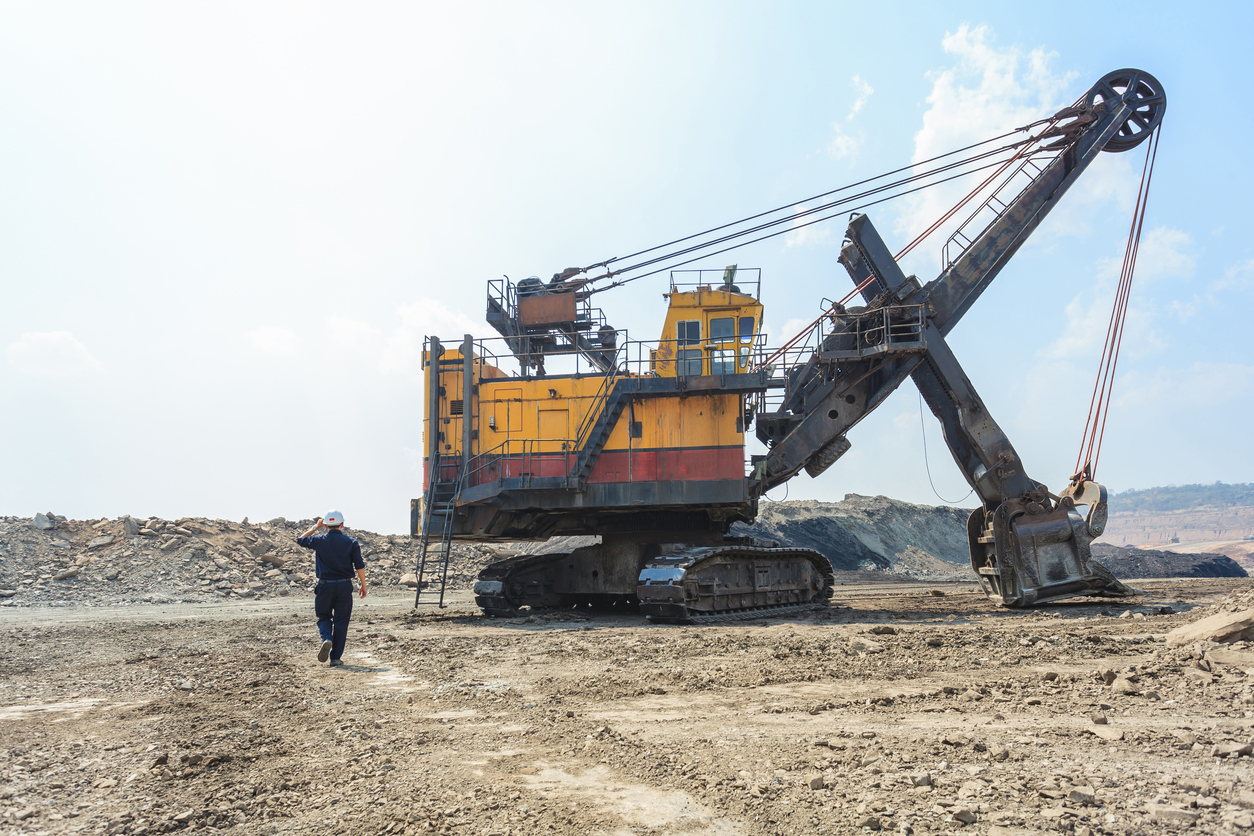
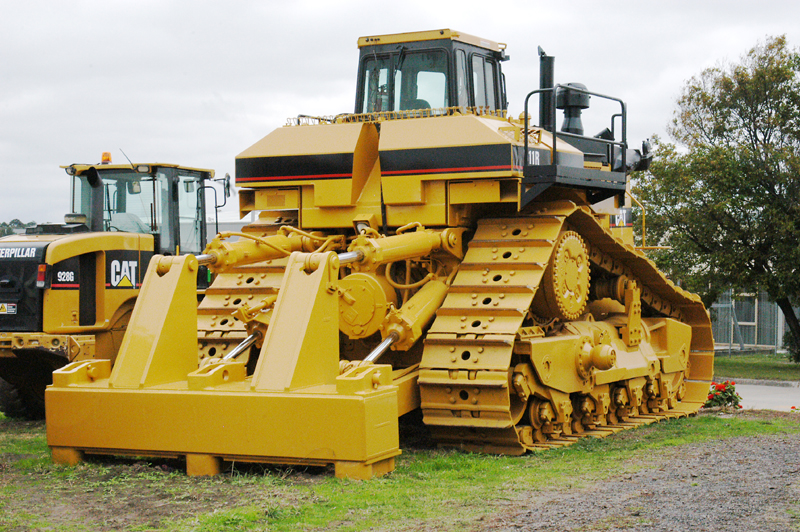
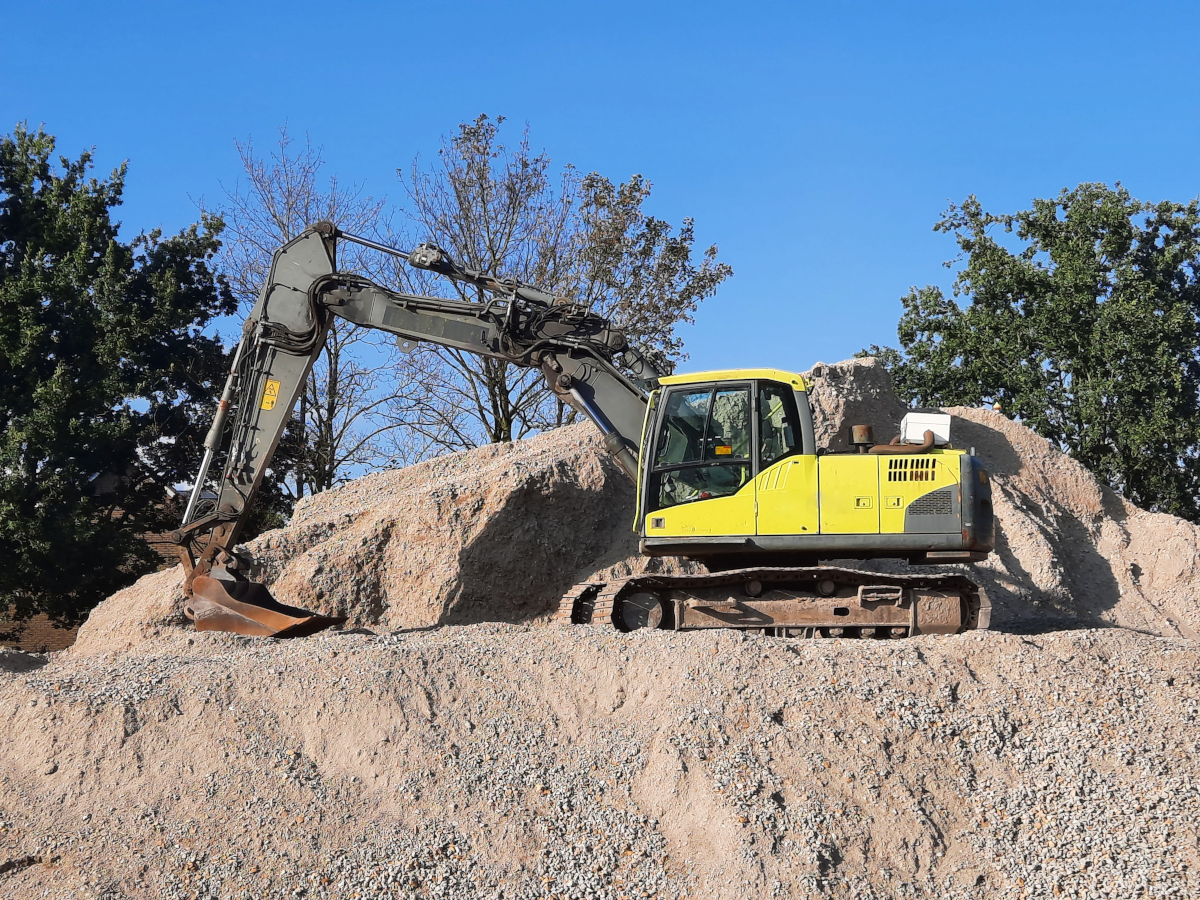
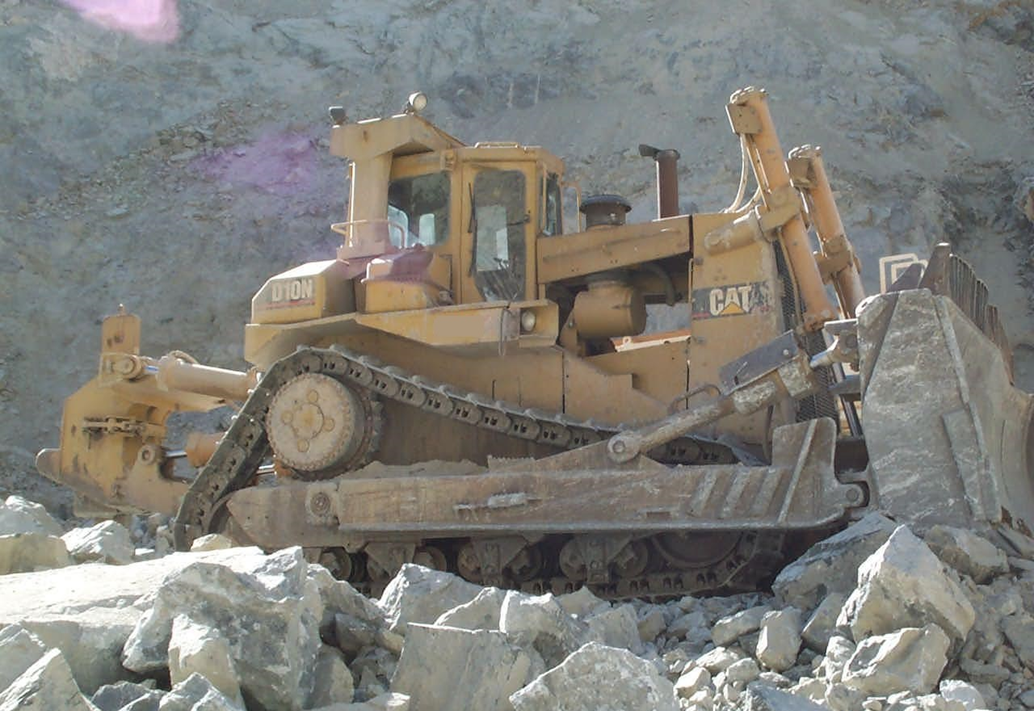
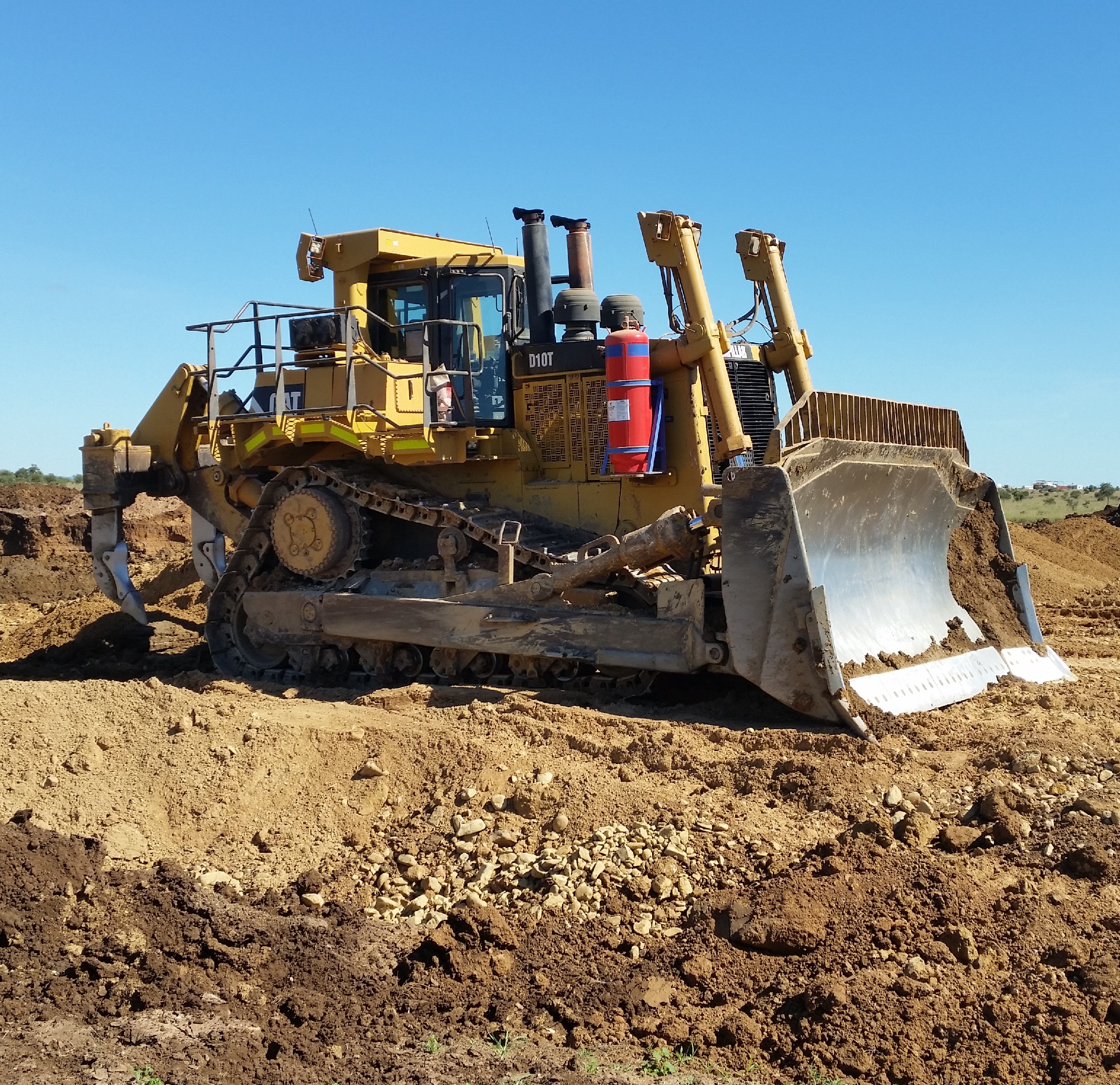
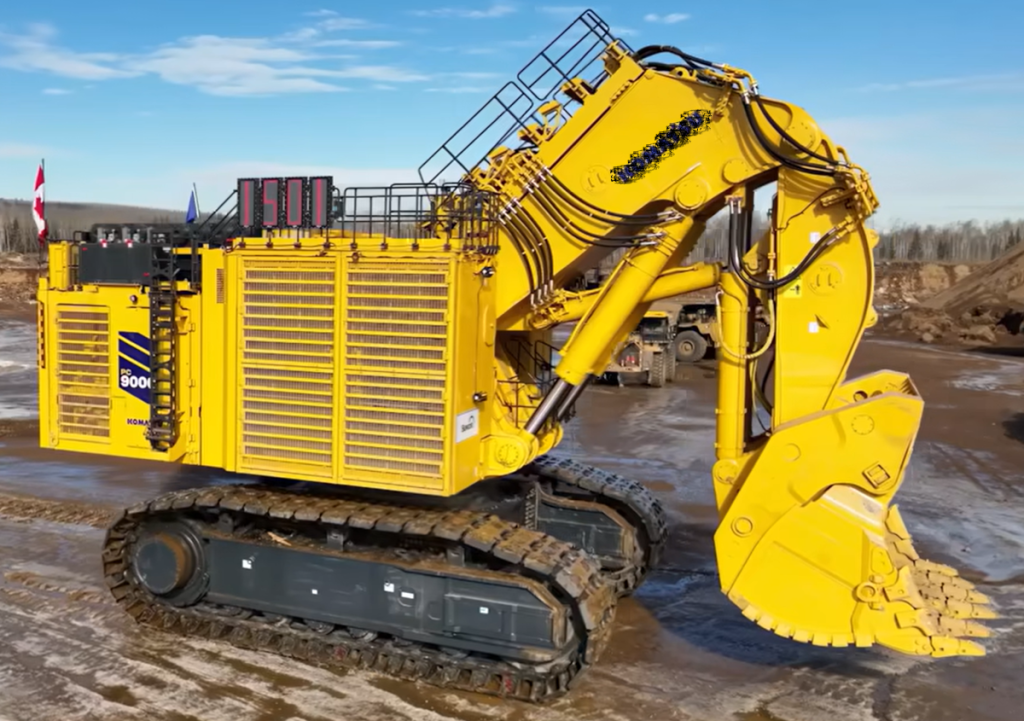
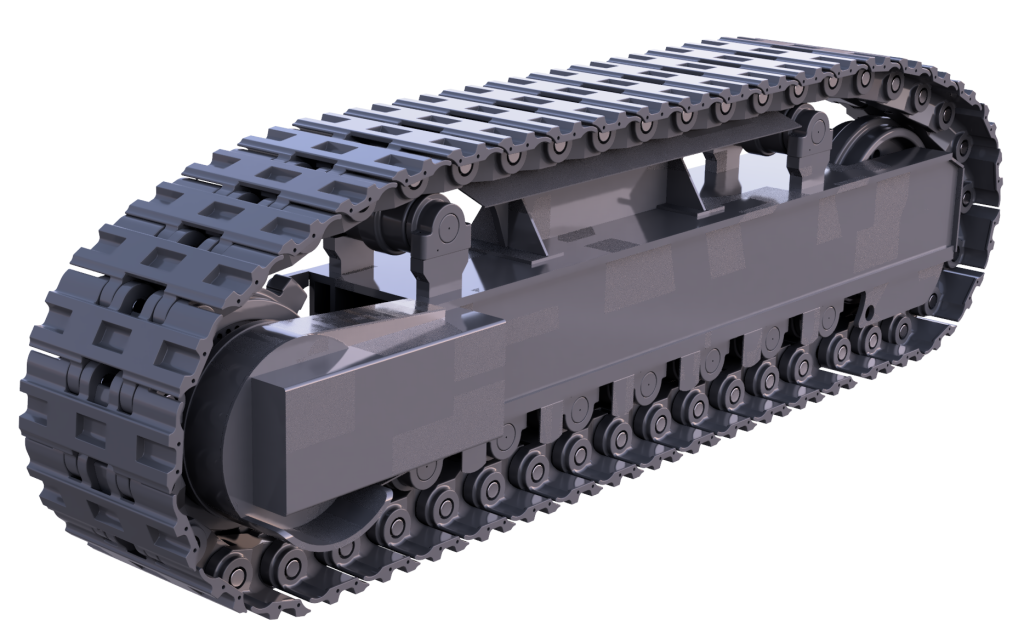
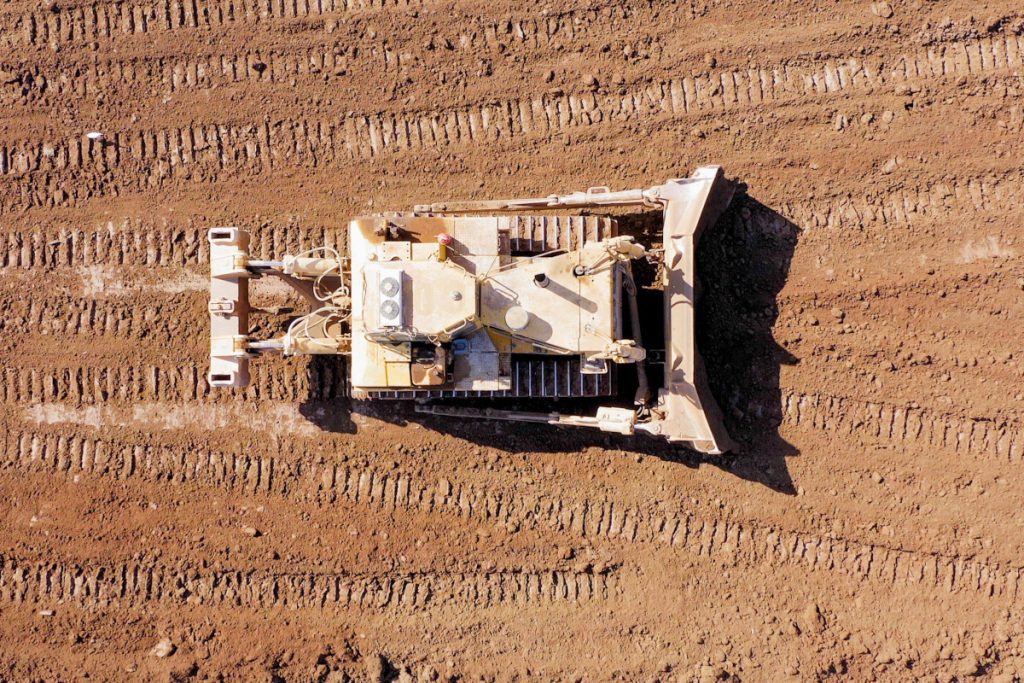
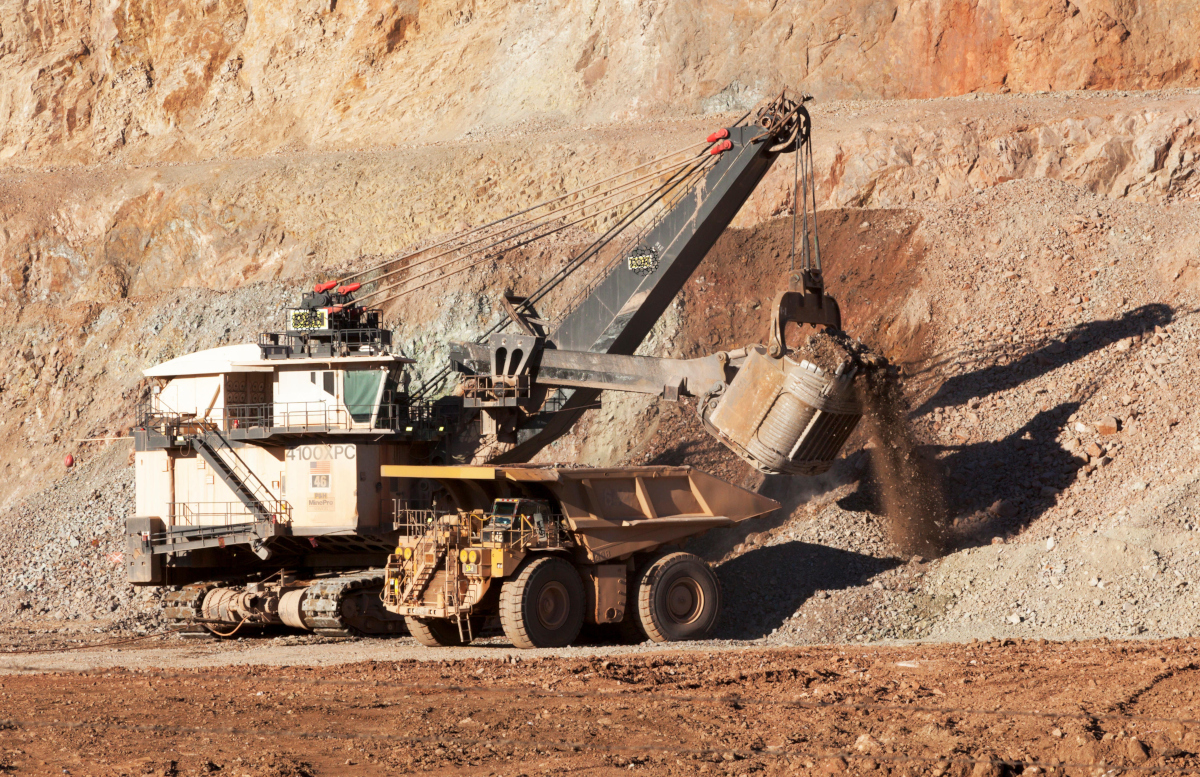
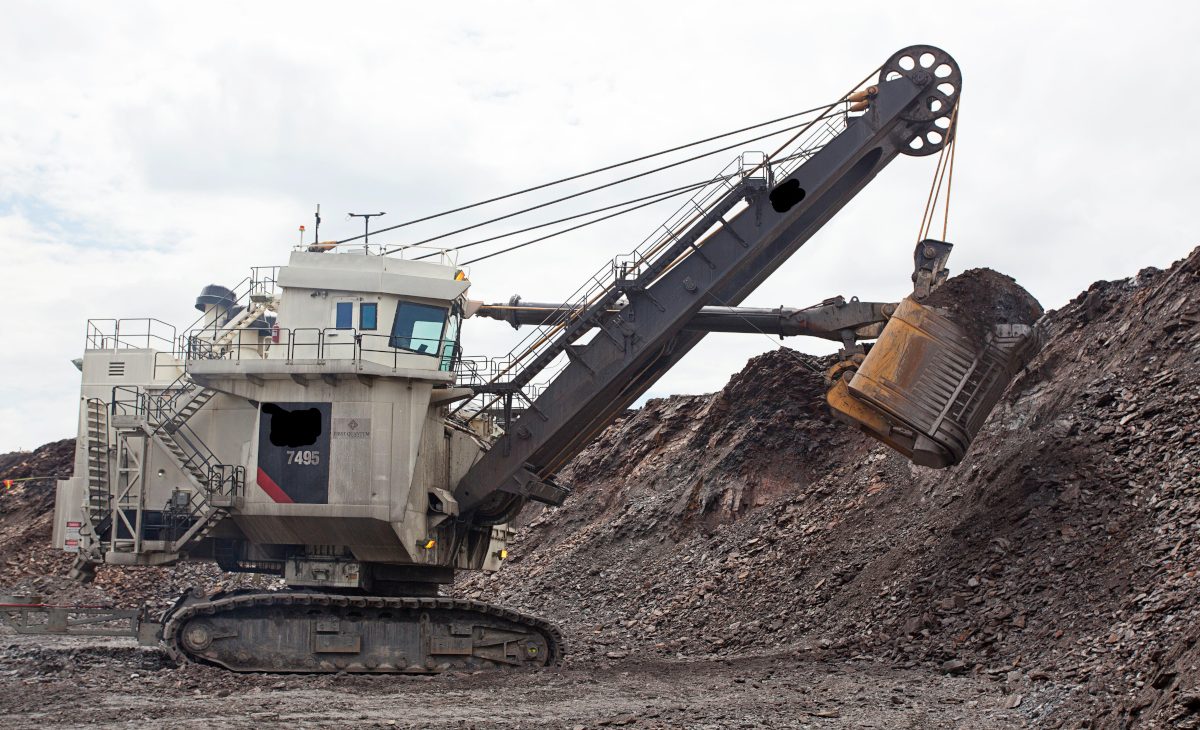
Mining companies invest millions of dollars each year replacing undercarriage components across Dozers, Hydraulic Shovels, Electric Rope Shovels and Tracked Drills.
Despite this investment, many maintenance teams still rely on PDF Inspection Reports coupled with spreadsheets and individual experience to determine when maintenance should be performed and when components should be replaced.
Inspection data is often collected by different inspectors, contractors and dealers using different methods, different reporting formats and different wear specifications.
As a result, maintenance planning becomes reactive rather than predictable.
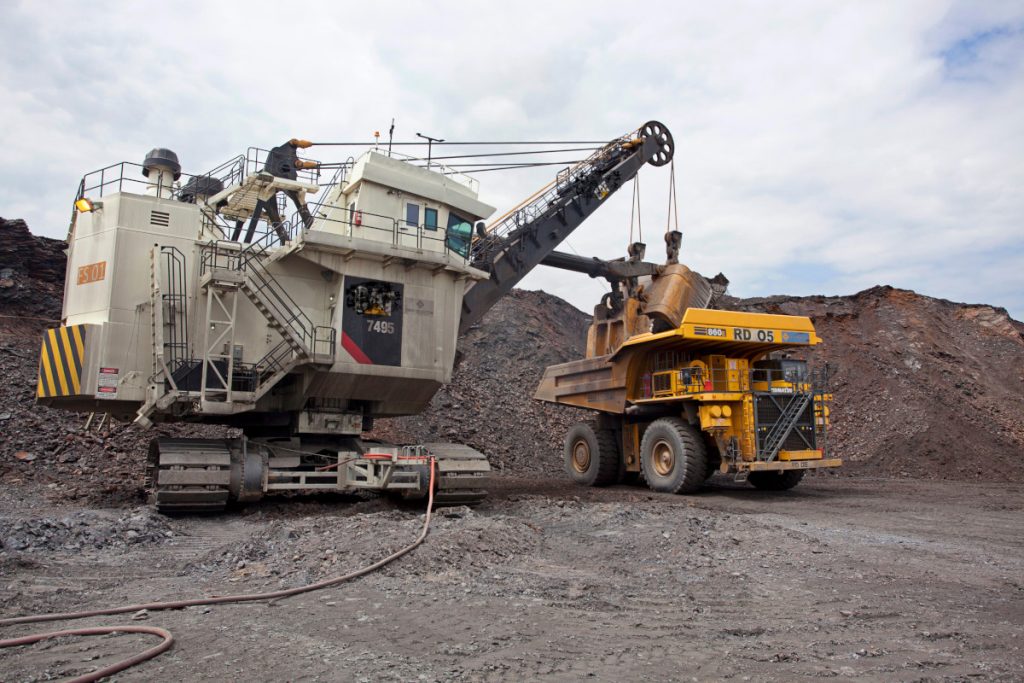
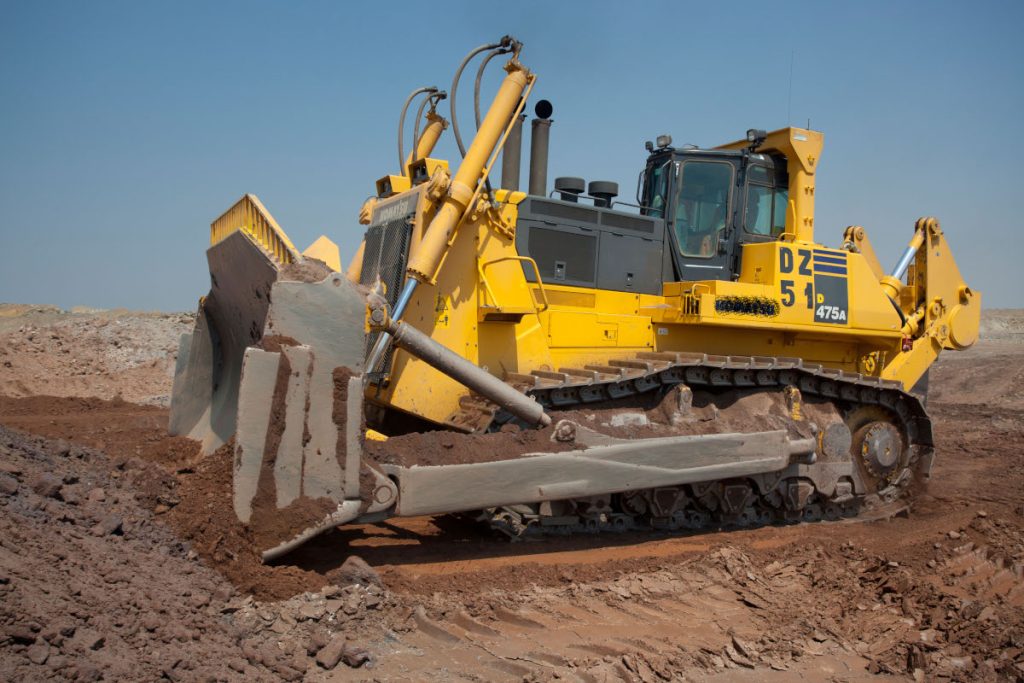
- Components are replaced too early
- Components run beyond economic life
- Inconsistent maintenance decisions
- Poor inventory planning
- Reduced component life performance resulting in increased cost per hour
- Increased operating costs, labour and maintenance
- Reduced productivity
The Hidden Cost of Poor Undercarriage Information
Undercarriage management is not simply about inspecting components. It is about making the right maintenance decisions at the right time.
Every inspection influences future maintenance costs, component life, equipment availability and production. When inspection information is incomplete, delayed or inconsistent, those decisions become less accurate and operating costs increase.
Poor quality or delayed inspection information can result in:
Chains replaced too early
Valuable wear material is discarded before its economic life has been achieved, increasing the cost per operating hour.
Idlers, rollers and other components replaced prematurely
Replacing serviceable components too early means the replacement component immediately begins wearing, unnecessarily increasing lifecycle costs.
Rollers operated to destruction
Failed rollers can damage track links, chain guards, sprockets and track frames, significantly increasing the scope and cost of the repair.
Delayed inspection reports
If inspection information is not available until days after the machine has returned to production, maintenance opportunities may be missed. The machine may need to be removed from service again, resulting in additional downtime, lost production and higher maintenance costs.
Missing bolts, loose hardware and damaged components
Small defects can rapidly accelerate wear across surrounding components, reducing overall undercarriage life and increasing cost per hour.
Track frames operated beyond their serviceable life
Worn frames can alter component alignment and loading, accelerating wear of chains, rollers, idlers and other undercarriage components.
Inconsistent inspection methods
Different inspectors, dealers and contractors can produce different maintenance recommendations for the same machine, making maintenance planning difficult and reducing confidence in the inspection results.
Poor replacement forecasting
Without accurate wear rates and remaining-life calculations, maintenance planners cannot confidently schedule replacements or purchase inventory at the right time.
Poor inventory planning
Uncertain replacement timing often results in excess inventory tying up capital or critical components not being available when they are needed.
No understanding of lifecycle performance
Without consistent historical inspection data, it is difficult to identify poor-performing machines, benchmark component life or understand why some machines consistently achieve longer component life than others.
Better Information Leads to Better Decisions
TrackTreads standardises inspections, uses TrackTreads Wear Standards to interpret component condition and provides maintenance recommendations, replacement forecasts and lifecycle reporting.
The result is not simply better inspection reports—it is better maintenance decisions, improved equipment availability and lower undercarriage operating costs.
End to End Undercarriage Management
Every day, maintenance teams make decisions that affect equipment availability, component life and operating costs. But do you have the information needed to make those decisions with confidence?
One Standard Inspection Process
One of the fundamental principles behind the TrackTreads system is that every undercarriage inspection is performed using a single, standardised methodology. Whether inspections are carried out by site personnel, OEM technicians, contractors or TrackTreads specialists, the same inspection process, measurement methods and interpretation rules are applied. This ensures that inspection results remain consistent, comparable and repeatable across all machines, sites and organisations.
Standardisation removes much of the variation that naturally occurs when different inspectors use different measuring techniques or recording methods. By capturing information in a structured and consistent manner, the quality of inspection data is significantly improved, providing a solid foundation for wear calculations, maintenance recommendations, forecasting and lifecycle management.
Standard Measurement Methods for Every Component
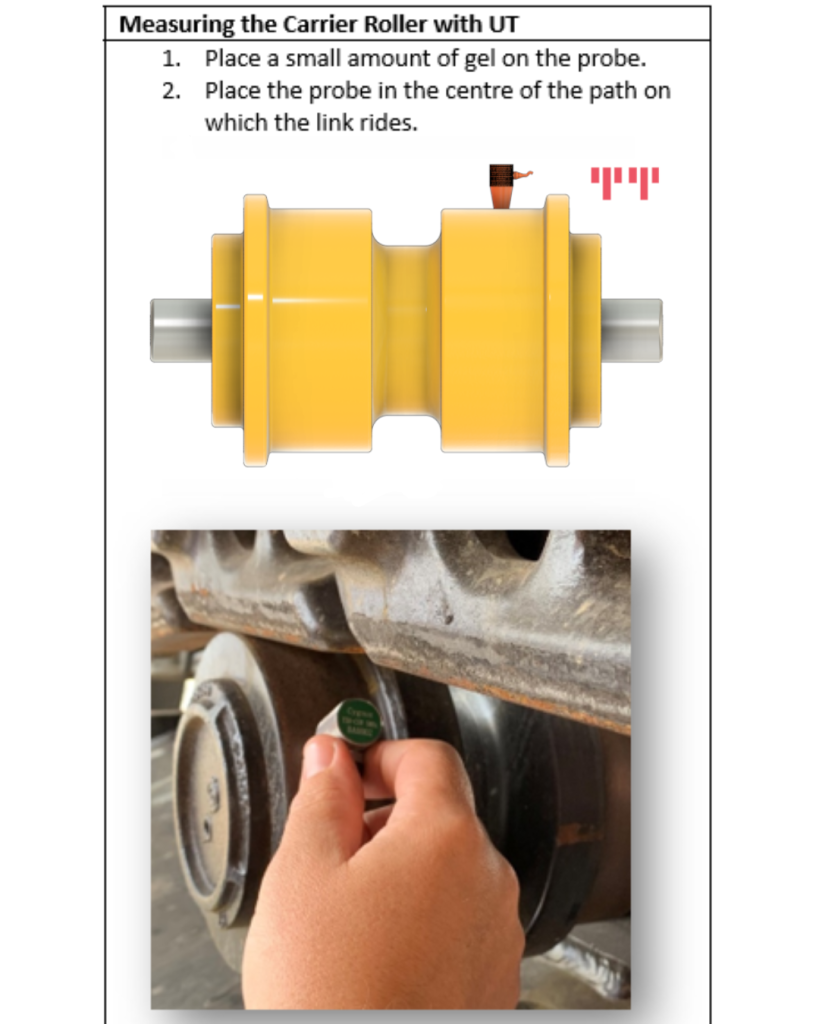
Every undercarriage component has a defined measurement method based on its design, wear surface and the measurement tool being used. Not all measurement tools are suitable for every component, and each tool requires a specific measurement procedure to ensure accurate and repeatable results.
The TrackTreads system stores the approved measurement methods for every component and identifies which measuring tools are applicable. Supported tools include depth gauges, calipers, ultrasonic thickness gauges and other specialised measuring equipment, depending on the component being inspected.
For each component, the system provides illustrated measurement instructions showing the correct measuring location, tool positioning and measurement technique. This allows inspectors of all experience levels to perform inspections consistently and accurately. The accompanying examples demonstrate the measurement of a track link using both a depth gauge and an ultrasonic thickness gauge.
TrackTreads Wear Standards
Each undercarriage component contains a finite amount of engineered wear material designed to maximise operating life. During manufacture, the wear surfaces are heat-treated or otherwise hardened to improve wear resistance under abrasive operating conditions.
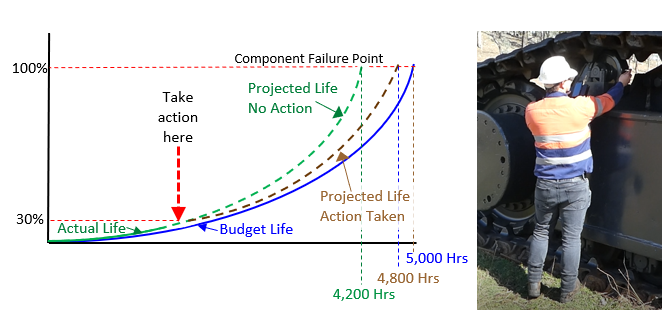
Undercarriage components do not necessarily wear at a constant rate throughout their life. As the hardened wear surface is consumed and operating conditions change, the wear rate can increase or decrease. TrackTreads therefore uses configured wear curves rather than simply assuming that wear will remain linear.
Every wear surface therefore has a defined starting dimension (new) and an ending dimension (replacement limit). Between these two points, TrackTreads models the wear profile using a non-linear wear curve, typically represented by a quadratic or hyperbolic equation. This provides a far more realistic representation of actual component behaviour than a simple linear wear model and significantly improves the accuracy of remaining-life calculations and maintenance forecasts.
Offline Mobile Platform Data Collection
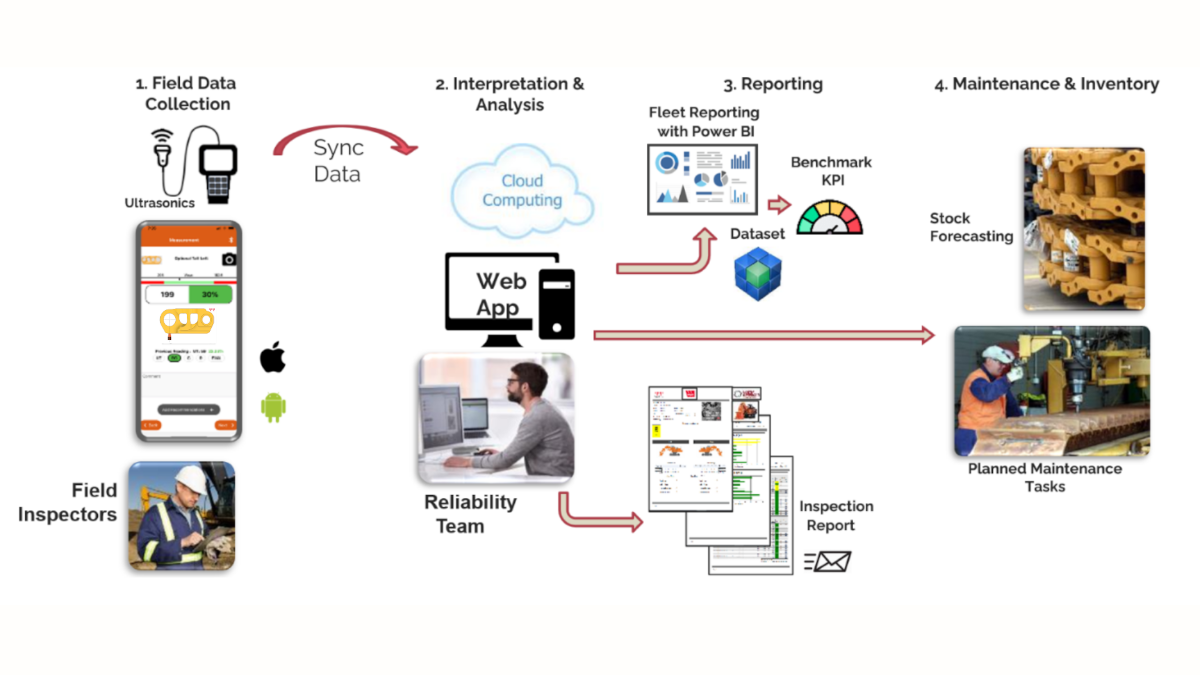
Inspection data is collected using the TrackTreads mobile application, which has been specifically designed to operate in remote mining environments. The application functions fully offline, allowing inspections to continue in areas where mobile or Wi-Fi coverage is unavailable or unreliable.
This capability is particularly important on mine sites where communication infrastructure is limited or where wireless communications must be disabled during blasting activities. Once connectivity becomes available, all inspection information is automatically synchronised with the central database without requiring any manual intervention.
Inspection Photographs
Photographs are often the most effective way of communicating component condition. During an inspection, inspectors can capture images directly within the mobile application, with every photograph being automatically linked to the relevant component and inspection record.
This eliminates the time-consuming process of matching photographs to inspection reports after returning from the field while providing valuable visual evidence to support engineering decisions and maintenance planning.
Inspector Comments
The system allows inspectors to record detailed observations against each individual component during an inspection. These comments may include unusual wear patterns, operating conditions, environmental influences or maintenance observations that cannot be represented by measurements alone.
By permanently associating these comments with the inspection record, valuable operational knowledge is retained and becomes available for future inspections, engineering reviews and lifecycle analysis.
Fault Identification
An undercarriage inspection is much more than simply recording wear measurements. Every inspection provides an opportunity to identify mechanical faults that may accelerate component wear or reduce overall undercarriage life.
Inspectors can record issues such as misalignment, incorrect track tension, seized rollers, oil leakage, abnormal wear patterns, cracked components or other defects that require attention. Early identification of these issues allows corrective maintenance to be scheduled before secondary damage occurs, preserving component life, reducing operating costs and improving machine availability


Mobile Inspection Platform
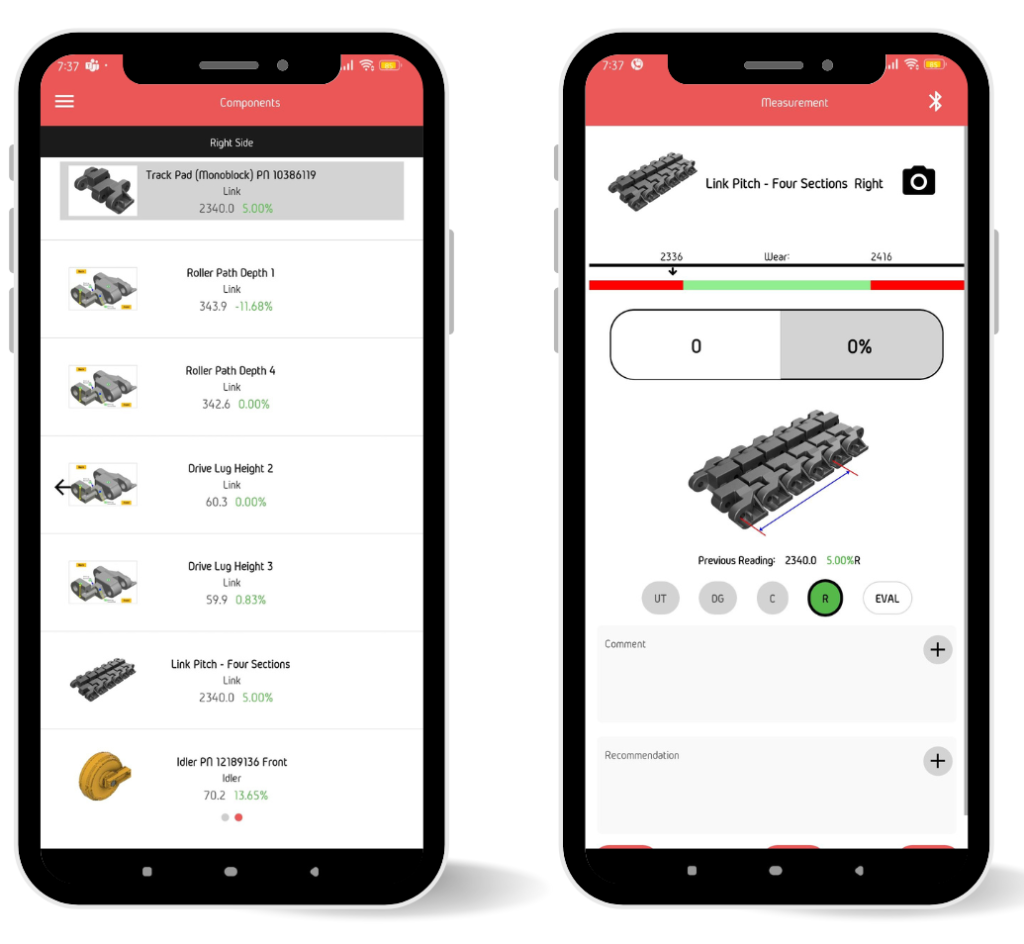
Accurate inspection data is captured directly in the field and becomes available to the maintenance team as soon as the inspection is synchronised.
Designed specifically for mining and construction environments, the application standardises the inspection process, ensuring every inspection is captured consistently, accurately and immediately available for maintenance planning and reporting.
Key Features:
- Operates offline for reliable inspections in remote and pit environments.
- Supports both metric and imperial measurements.
- Automatically selects the correct measuring tool for each component.
- Calculates percentage wear automatically using the wear standards approved for that customer and application.
- Displays previous inspection measurements, wear limits and reference images to ensure consistent inspections.
- Connects with supported ultrasonic tools to record readings directly.
- Captures photographs, inspector comments and observations as part of the permanent inspection record.
- Provides standardised maintenance recommendations, ensuring consistent maintenance decisions across all inspectors.
- Automatically validates inspection data, reducing errors and improving data quality.
TrackTreads Wear Standards
Every wear calculation and remaining-life forecast depends on having a reliable starting dimension, end-of-life limit and wear profile for each component.
TrackTreads Wear Standards have been independently derived from inspection measurements, component histories and actual field performance data collected by TrackTreads across mining operations over the past 8 to 10 years. They are based on observed component performance.
The accumulated data shows how components wear across different machines, materials, operating conditions and mining applications. This allows TrackTreads to develop wear standards that better reflect actual field performance.
Different standards can be applied to hard-rock mines, coal operations, oil sands, iron ore and other operating environments where wear conditions vary.
Customers can use TrackTreads Wear Standards or nominate their own approved operating end-of-life limits. This provides a consistent method for calculating percentage worn and remaining life across mixed-brand fleets.
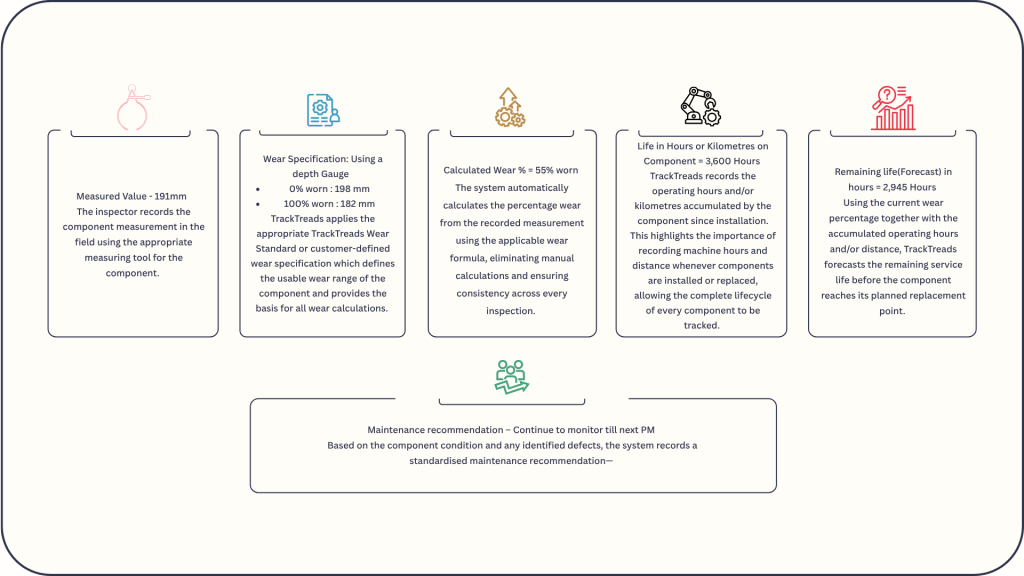
Automatic Wear Calculations
TrackTreads automatically converts field measurements into meaningful maintenance information, eliminating manual calculations and providing maintenance teams with consistent, data-driven recommendations.
Maintenance Recommendations
Extend component life by identifying corrective actions before replacement becomes necessary.
Typical recommendations include:
- Rebar or re-grouse track shoes
- Swap rollers and idlers to balance wear
- Adjust track tension
- Replace bogie pads and shims
- Turn pins and bushes
When components reach replacement criteria, TrackTreads recommends the most appropriate end-of-life action, including:
- Replace worn components
- Rebuild track frames
- Install replacement chains from inventory
- Install replacement frames from inventory
Not every inspection requires maintenance. Where components remain within acceptable limits, TrackTreads recommends continued operation, providing confidence that maintenance decisions are based on accurate condition data.
Inspection → Recommendation → Action
A simple decision workflow ensures every inspection results in a clear maintenance outcome:
Continue Operating • Midlife Maintenance • End-of-Life Replacement
The result is consistent maintenance decisions, longer component life, improved planning, and lower operating costs.
Forecasting and Maintenance Planning
Knowing the current condition of an undercarriage is only part of the maintenance challenge. The real value comes from understanding when maintenance will be required, when components should be replaced, and what inventory will be needed in the future.
TrackTreads transforms inspection data into accurate maintenance and replacement forecasts, enabling maintenance teams to move from reactive decisions to planned lifecycle management.
Intelligent Forecasting
TrackTreads forecasts future maintenance requirements by analysing:
- Remaining Life – Estimated operating hours and/or kilometres remaining before replacement.
- Wear Rates – Actual wear trends calculated from successive inspections.
- Machine Utilisation – Predicted operating hours and distance based on equipment usage.
- Hours and Distance – Forecasts can be based on operating hours, kilometres travelled, or a combination of both.
- Seasonal Operating Conditions – Adjusts forecasts to reflect changing production rates and operating conditions throughout the year.
- Cold Climate Operations – Supports distance-based forecasting where prolonged idling makes operating hours an unreliable indicator of wear.
- Non-Linear Wear – Accounts for changing wear rates as components progress through their lifecycle, providing more realistic replacement predictions.
Benefits of Forecasting for Planning
Accurate forecasting enables maintenance teams to:
- Schedule Undercarriage maintenance/replacements during planned PM shutdowns.
- Predict future component demand and optimise inventory levels.
- Develop maintenance budgets with greater confidence.
- Reduce emergency replacements and unplanned downtime.
- Maximise component life while avoiding unnecessary wear-related failures.
TrackTreads turns today’s inspection data into tomorrow’s maintenance plan, helping mining operations reduce operating costs, improve equipment availability and achieve greater value from every undercarriage component.
Undercarriage Inventory Management
Managing undercarriage inventory involves much more than knowing what components are on the shelf. It requires complete visibility of every major component throughout its entire lifecycle.
TrackTreads provides serialised lifecycle management for chains, track frames, rollers, idlers and other major undercarriage components, maintaining a complete history from installation through to rebuild and retirement.
Complete Component Traceability
TrackTreads records and manages:
• Unique serial numbers for every major component.
• Current location whether, in inventory, undergoing rebuild installed on a machine or awaiting installation.
• Component movements between machines, inventory and rebuild facilities.
• Installation and removal history, including operating hours and distance.
• Rebuild history, inspections, repairs and associated costs.
• Complete lifecycle history, providing full traceability from first installation to final retirement.
Better Inventory Decisions
By combining inventory records with inspection results and replacement forecasts, TrackTreads enables maintenance teams to:
• Know exactly what inventory is available and where it is located.
• Forecast future component demand.
• Optimise inventory holdings and reduce unnecessary stock.
• Maximise the value of rebuildable components.
• Ensure the right components are available when planned maintenance is due.
TrackTreads transforms undercarriage inventory from a simple stock list into a fully traceable lifecycle management system, improving component utilisation, reducing inventory costs and supporting better maintenance planning.
Fleet Dashboards
TrackTreads provides powerful, real-time dashboards that transform thousands of inspection records into clear, actionable information for maintenance and management teams.
Instead of reviewing individual inspection reports, managers gain an instant overview of fleet condition, maintenance priorities and future replacement requirements.
Complete Fleet Visibility
Interactive dashboards provide insights into:
Fleet Condition
Current wear and health of every machine and component.
Average Component Life
Compare actual component life across machines, sites and operating conditions.
Poor Performing Machines
Identify assets with accelerated wear or recurring maintenance issues.
Upcoming Replacements
Forecast future component replacements for improved maintenance planning.
Maintenance Backlog
Monitor outstanding maintenance tasks and prioritise work.
Cost and Performance
Analyse maintenance costs, component life and lifecycle performance to support better business decisions.
Component Lifecycle Reporting and Business Intelligence
TrackTreads provides a comprehensive suite of reports and dashboards, delivering the right information to inspectors, planners, maintenance managers and executives.
Whether you require a detailed component inspection or a high-level fleet performance summary, TrackTreads transforms inspection data into meaningful operational and management information.
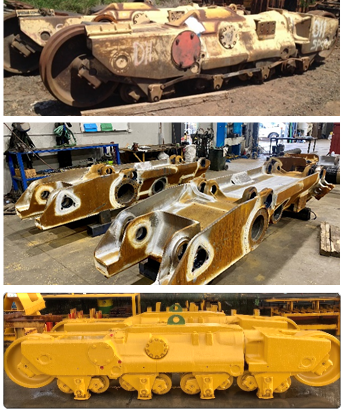

Comprehensive Reporting
TrackTreads delivers:
- Inspection Reports – Standardised PDF reports containing measurements, photographs, wear calculations and maintenance recommendations.
- Management Dashboards – Interactive Power BI dashboards providing real-time visibility of fleet condition, maintenance priorities and lifecycle performance.
- Component History – Complete inspection, maintenance and movement history for every serialised component.
- Life Achieved Analysis – Compare actual component life achieved across machines, sites and operating conditions. Review average percent worn at removal to see value of unused wear material.
- Replacement Forecasts – Predict future maintenance and replacement requirements to support planning and inventory management.
- Maintenance Budgets – Forecast future component demand and maintenance expenditure with greater confidence.
API Integration with ERP and Maintenance Systems
TrackTreads can integrate with leading ERP and Enterprise Asset Management systems through secure APIs.
Inspection results and maintenance recommendations can be transferred directly into the customer’s existing maintenance management process, allowing work orders to be created automatically and tracked through to completion.
Supported Integrations
TrackTreads can integrate with leading business systems, including:
- SAP
- Pronto
- Ellipse
- IBM Maximo
- Hexagon
- Other ERP and maintenance management systems via API.
From Inspection to Work Order
Through secure API integration, TrackTreads can automatically:
- Create maintenance work orders from inspection and interpretation findings.
- Transfer equipment, component and inspection information.
- Include maintenance recommendations, priorities, photographs and supporting documentation.
- Return work order numbers and status updates to TrackTreads, maintaining complete visibility from inspection through to completed maintenance.
By integrating directly with existing maintenance systems, TrackTreads eliminates duplicate data entry, streamlines maintenance workflows and ensures inspection information is converted into planned maintenance actions quickly and accurately.
Multi-OEM Undercarriage Management
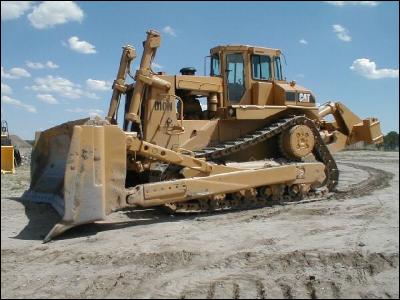
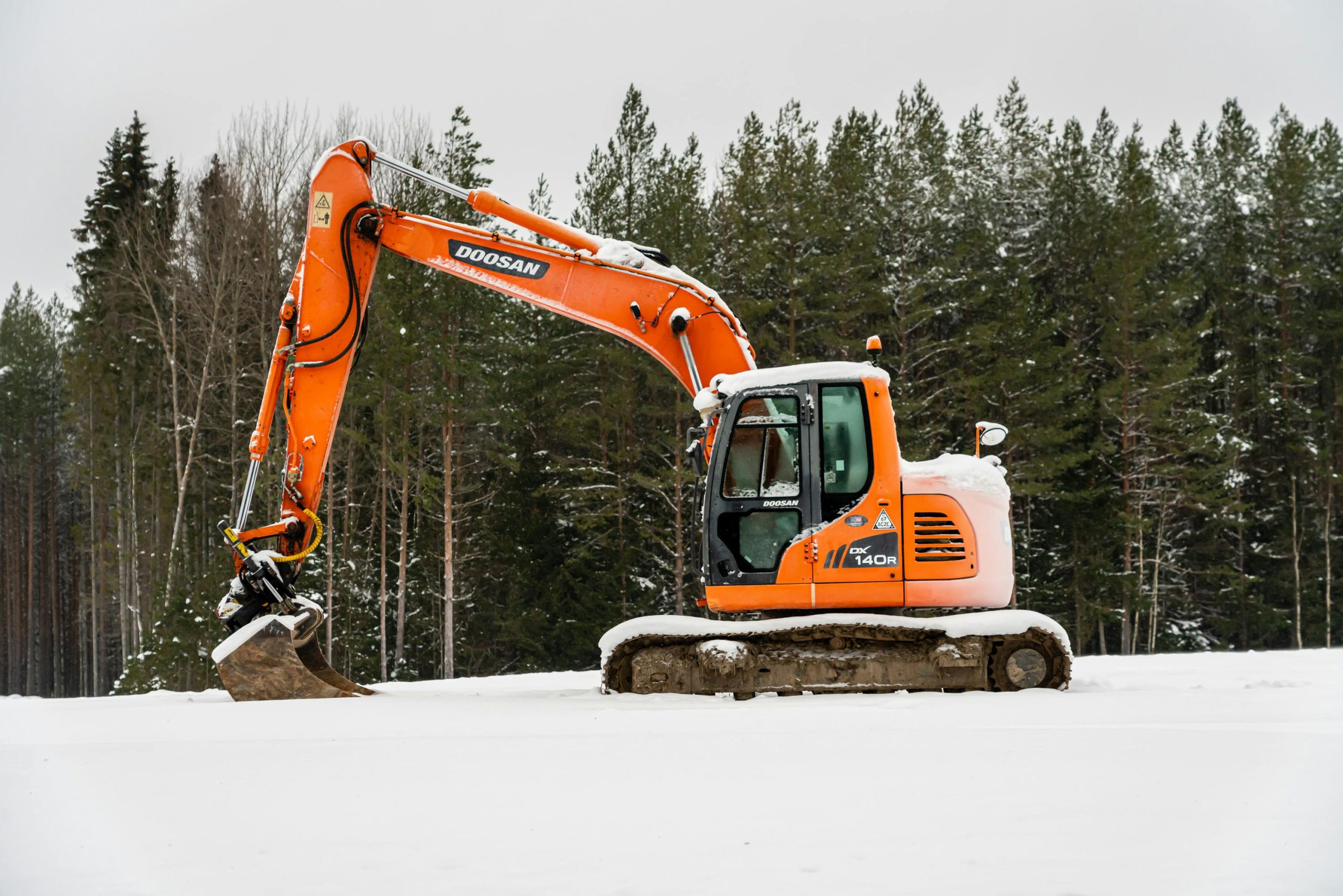
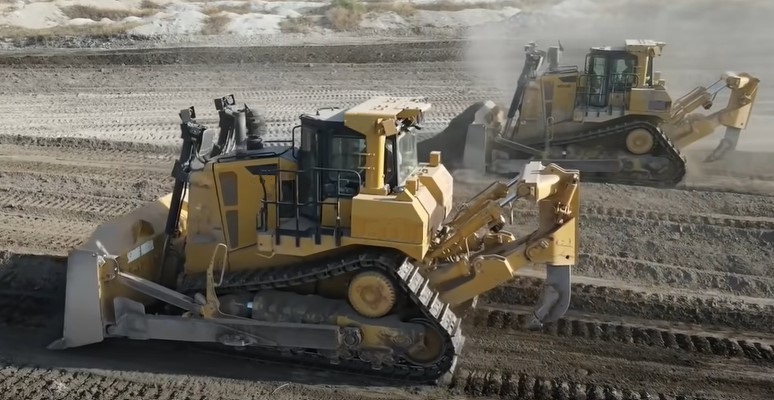
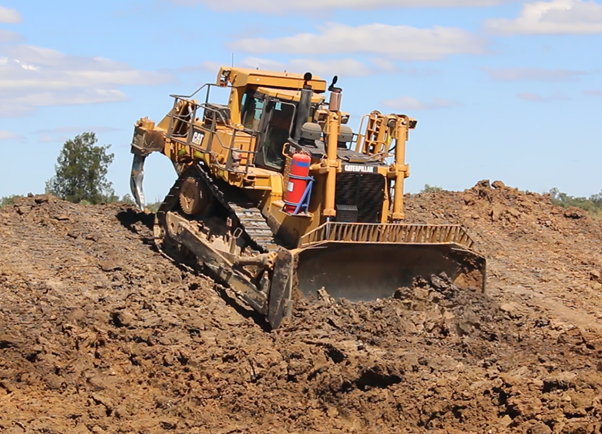
Mining operations rarely operate a single equipment brand. Most fleets include a combination of Caterpillar, Komatsu, Hitachi, Liebherr, P&H and other manufacturers, making standardised inspection and lifecycle management a significant challenge. Each equipment type is configured with the appropriate inspection procedures together with TrackTreads Wear Standards or customer-approved wear standards
Unlike many undercarriage management systems that focus primarily on Caterpillar equipment, TrackTreads provides a single platform for managing mixed OEM fleets using consistent inspection methods, reporting and lifecycle analytics.
Each equipment type is configured with the appropriate inspection procedures, component specifications and wear limits, ensuring accurate condition monitoring regardless of manufacturer.
Comprehensive OEM Coverage
TrackTreads supports a wide range of mining equipment manufacturers, including:












One Standard Across Your Fleet
By managing all equipment within a single system, TrackTreads enables mining operations to:
- Standardise inspections across all OEMs.
- Produce consistent reports and maintenance recommendations.
- Compare component performance between equipment types and operating environments.
- Consolidate inspection data into a single source of truth for reporting, forecasting and lifecycle management.

Whether your fleet consists of one manufacturer or many, TrackTreads provides a consistent approach to managing undercarriage performance across the entire operation.