
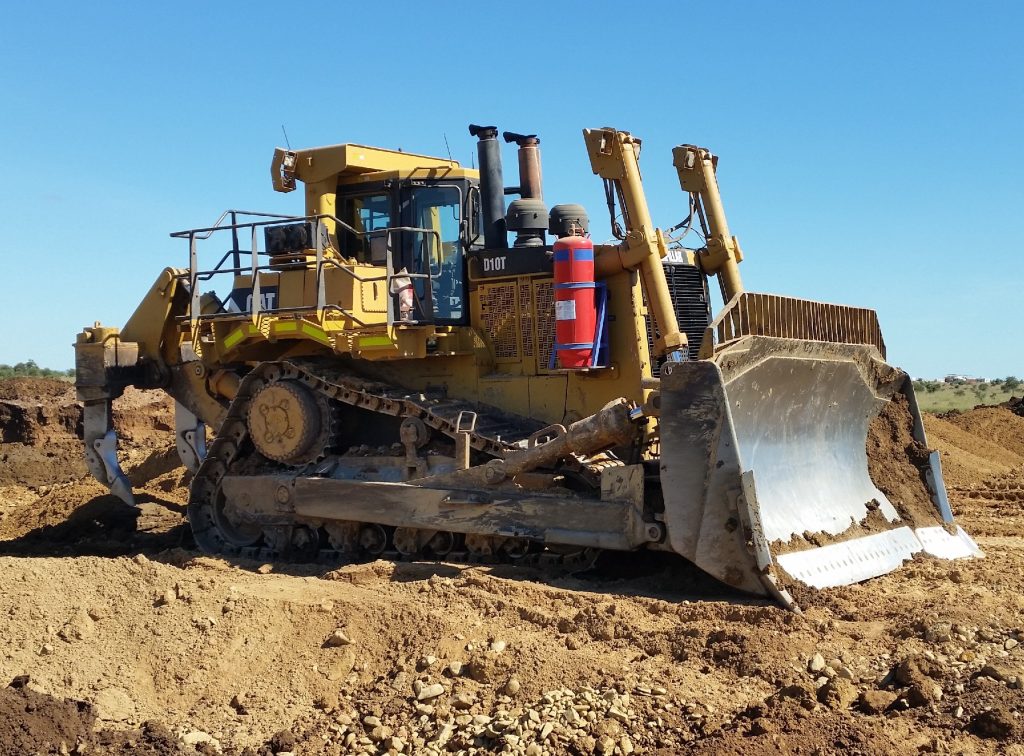
For track-type dozers, undercarriage life has traditionally been forecast using machine hours.
It’s simple.
It’s widely accepted.
But it’s often wrong.
Hours measure time — not work.
Undercarriage wear is driven by movement, not idling.
Why Hours Fall Short
Two machines with the same hours but different travel distances will not experience the same undercarriage wear behaviour.
Because hours don’t account for:
- Travel distance
- Travel speed
- Direction of travel
- Machine behaviour
And these are the factors that actually consume undercarriage life.
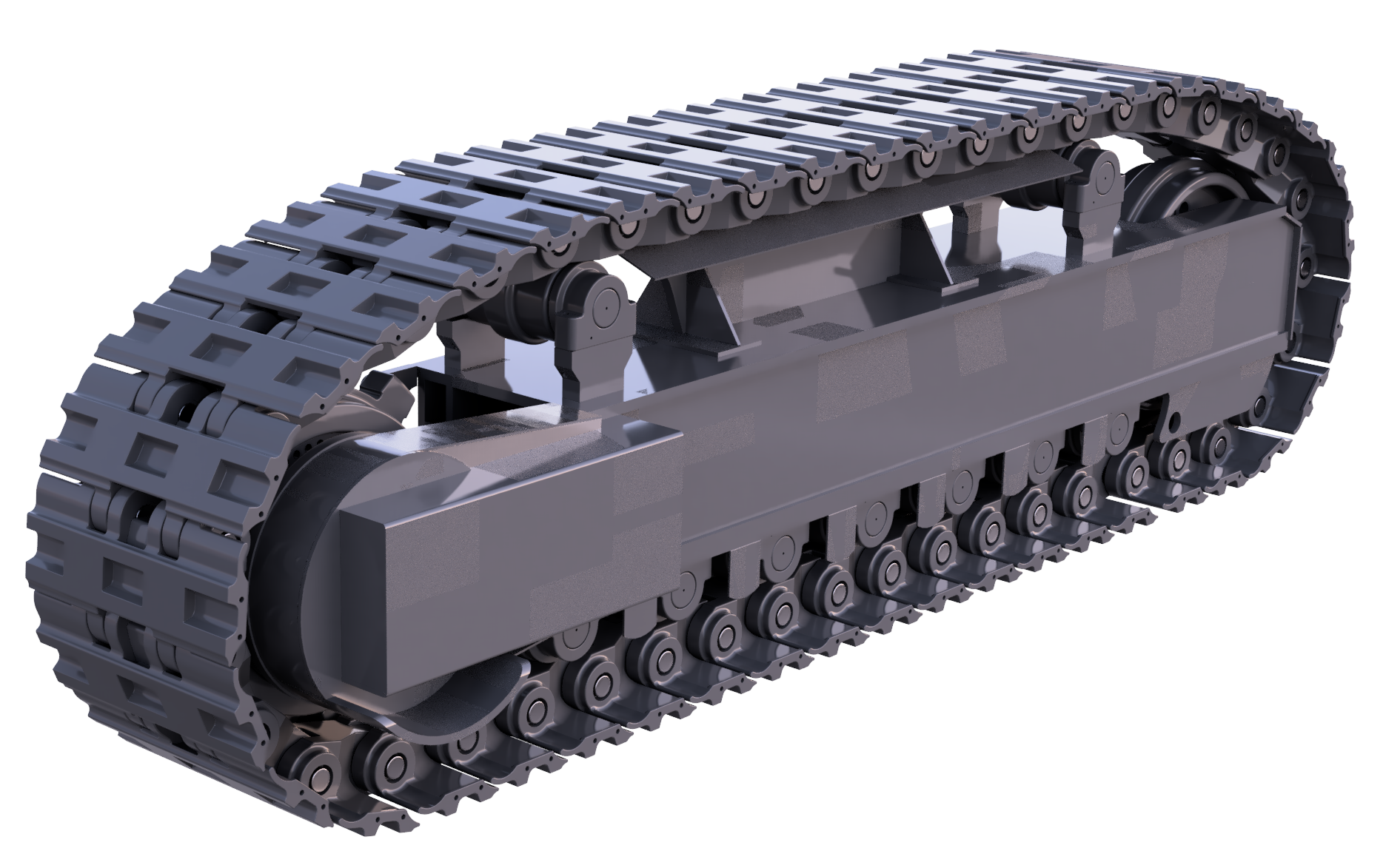
What Actually Drives Wear
Field experience — and OEM guidance from Caterpillar — consistently shows that:
- Increased travel speed accelerates wear
- Reverse travel increases bushing and sprocket wear
- Turning behaviour drives asymmetric wear
- Unnecessary travel shortens component life
Distance sits at the centre of all of these.
Why Distance-Based Forecasting is a Step Change
1. Removes Idle Time Distortion
Machines can rack up hours while sitting idle — especially in cold climates or standby conditions.
Distance strips this out and reflects only real wear activity.
2. Captures True Usage Intensity
Two machines with the same hours but different travel distances will not wear the same.
Distance directly links to track engagement — the true driver of consumption.
3. Makes Operating Behaviour Visible
Forward vs reverse travel, speed, and turning patterns all influence wear.
Distance-based models allow this behaviour to be measured and understood — not assumed.
From Measurement to Forecasting
The real shift isn’t just replacing hours with distance.
It’s moving from:
- static measurement
to
- dynamic wear forecasting
With the increasing availability of telematics and wear monitoring — as highlighted by industry experts like Tim Nenne — undercarriage management is becoming more predictive, more data-driven, and more precise.
At TrackTreads, we’re seeing this shift firsthand.
When inspection data is combined with machine usage — including distance travelled — a clearer picture starts to emerge:
- how wear is progressing,
- how operating behaviour is influencing it,
- and when components will actually require replacement.
It becomes less about reacting to wear limits…
and more about understanding how that wear is developing over time.
The Advantage
Adopting a distance-based approach enables:
- More accurate maintenance planning
- Better forecasting of component replacements
- Improved cost visibility across the fleet
- Greater control over undercarriage life
Most importantly — it allows operations to manage undercarriage as a predictable system, not a variable cost.
Final Thoughts
If undercarriage wear is driven by movement, then forecasting should be built on movement.
Not time.
Distance-based forecasting is not a future concept — it’s already achievable with the right data and structure in place.
The opportunity now is to start using it to make better decisions, earlier.
TrackTreads Undercarriage Software—track the distance, not just the hours